For homeowners in the Philadelphia area, indoor air quality is just as important as temperature control. We often focus on the thermostat when the summer humidity spikes or the winter chill settles over the Delaware Valley, but the air circulating through our vents carries potentially harmful particles. Selecting the right AC filter is the first line of defense against seasonal allergens and persistent city dust. Whether you are dealing with the pollen-heavy springs of Chestnut Hill or the urban soot of Center City, your HVAC filter is the silent guardian of your respiratory health and your home’s cleanliness.
Choosing the right filter isn’t just about grabbing the first blue rectangle you see at the hardware store. It requires a balance between filtration efficiency and your system’s mechanical capabilities.
Understanding MERV Ratings: The Goldilocks Zone
When shopping for filters, you will inevitably see a number labeled MERV, which stands for Minimum Efficiency Reporting Value. This rating system scales from 1 to 16 for residential units (and higher for specialized medical environments). It measures how effectively the filter captures particles between 0.3 and 10 microns.
- MERV 1–4: These are basic filters, often made of fiberglass. They protect the HVAC equipment from large “dust bunnies” but do very little to improve air quality for allergy sufferers.
- MERV 5–8: A solid middle ground for many homes. These can catch mold spores, hairspray, and dust mites.
- MERV 11–13: This is the “Goldilocks Zone” for allergy relief. Filters in this range are dense enough to trap fine particles like pet dander, smog, and even some bacteria, significantly reducing sneeze-inducing triggers in your home.
- MERV 14–16: These are highly efficient but can be dangerous for standard residential systems. Because they are so dense, they can restrict airflow, causing your blower motor to work too hard and eventually burn out.
For most Philadelphia residents battling allergies, we typically recommend a MERV 11 or 12 filter. It provides superior air scrubbing without putting your system at risk of a breakdown.
Comparing Filter Types: Fiberglass vs. Pleated vs. HEPA
Not all filters are created equal. The material and construction play a major role in how much dust ends up on your coffee table versus in the filter.
- Fiberglass Filters: These are the inexpensive, thin filters often found in bulk packs. While they are budget-friendly, they are essentially “rock catchers.” They protect your furnace’s internal components but allow microscopic allergens to pass right through.
- Pleated Filters: Made from folded polyester or cotton, these have a much larger surface area than flat filters. This allows them to trap more dust and smaller particles without immediately clogging. For residents dealing with dust and dander, a high-quality pleated filter is the industry standard.
- HEPA (High-Efficiency Particulate Air) Filters: These are the heavy hitters, capable of removing 99.97% of particles. However, a word of caution: most standard residential HVAC systems are not designed to handle the airflow resistance of a true HEPA filter. Using one without a professional system modification can lead to frozen coils and expensive repairs.
The Philadelphia Factor: Humidity and the Delaware Valley Pollen
Living in the Philadelphia area presents unique challenges for indoor air quality. Our region is known for high humidity levels during the summer months. When moisture levels are high, dust can become “sticky,” clinging to the filter material and clogging it more quickly than in a dry climate.
Furthermore, the Delaware Valley frequently ranks among the most challenging areas for allergy sufferers due to our diverse tree population and urban environment. Between the “pollen rain” of the spring and the stagnant city air of August, your filter is working overtime. In a cleaner environment, you might change a filter every 90 days; however, in a busy Philly household, we often recommend checking it every 30 to 45 days during peak cooling season.
Signs Your Current Filter is Failing
How do you know if your filter isn’t cutting it? Your home will usually tell you through several key symptoms:
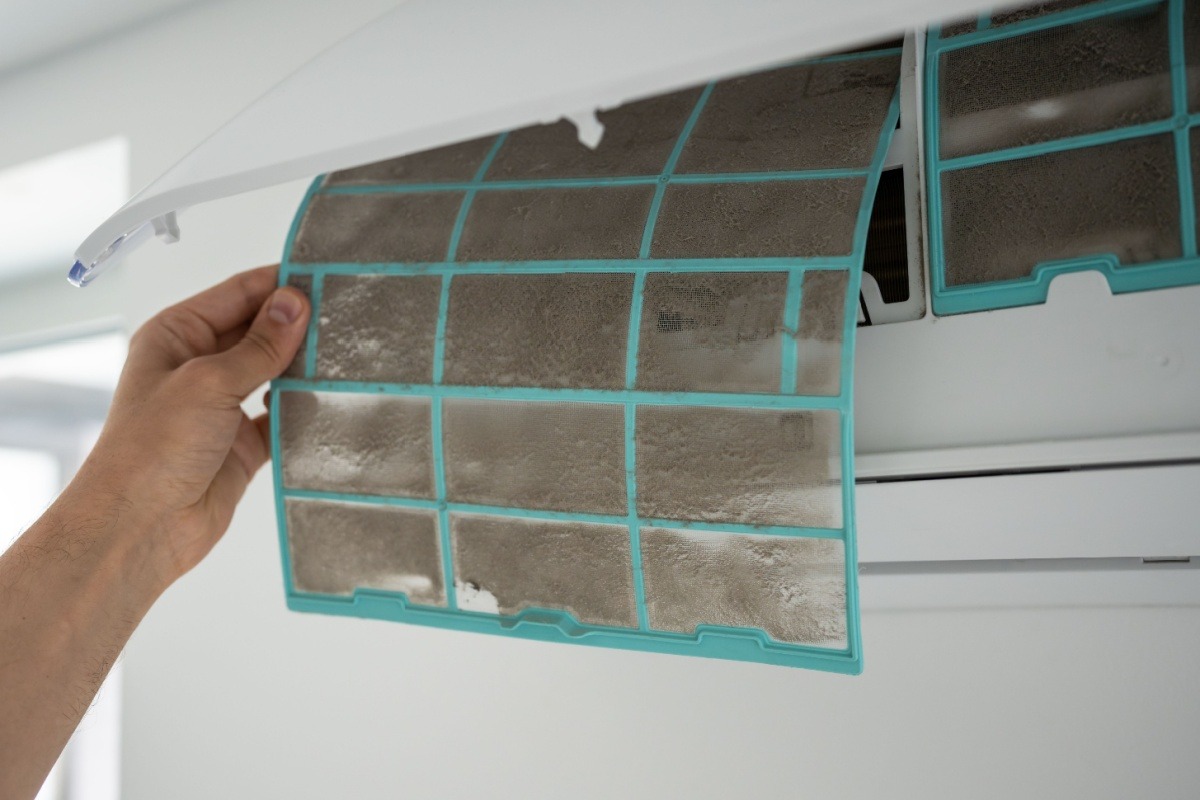
- Increased Dusting Frequency: If you find a layer of grey film on your surfaces just 24 hours after cleaning, your filter is likely saturated or too porous.
- Rising Energy Bills: A clogged filter forces your AC to run longer to reach the desired temperature. If your PECO bill is spiking unexpectedly, check the filter first.
- Aggravated Allergy Symptoms: If you find yourself sneezing more or waking up with a scratchy throat, specifically when the AC is running, your system is likely recirculating allergens rather than trapping them.
- The “Dirty Sock” Smell: This can occur when organic matter gets trapped in a damp filter or on the coils, leading to microbial growth.
Partner With the Pros at GEN3 Electric & HVAC
Choosing the right filter is a great start, but maintaining a complex HVAC system requires a professional touch. A filter that is too thick can choke your system, while one that is too thin can let dust ruin your expensive equipment. Partnering with a professional technician ensures that your filtration choices are compatible with your specific model’s airflow requirements, protecting your investment for the long haul.
At GEN3 Electric & HVAC, we are proud to serve our neighbors with expert knowledge and a commitment to comfort. Whether you need help navigating MERV ratings or require a deep system cleaning to banish allergies for good, our team is ready to help.
Don’t let dust and pollen take over your home; contact GEN3 Electric & HVAC today. Let’s schedule a comprehensive indoor air quality assessment and a professional cooling system tune-up to ensure you’re breathing the cleanest air possible all year round.