Why This Matters in Philadelphia
Philadelphia is full of historic homes, especially the classic rowhomes found throughout the city. Many of these properties were built in the early to mid-1900s and still rely on old cloth wiring Philadelphia homeowners often discover only during repairs or renovations. This type of cloth-insulated wiring was widely used before modern plastic insulation became standard. Although it performed well when first installed, it now raises several safety and reliability concerns for today’s households.
Because cloth wiring hides behind walls and ceilings, most homeowners never know it’s there until they start a renovation, call for electrical work, or experience issues like flickering lights or blown fuses. Its age alone raises safety questions, and it wasn’t designed for the electrical demands of modern appliances and devices. Insurance companies often flag old cloth wiring and may require updates before issuing or renewing coverage.
In a city filled with older housing like Philadelphia, understanding cloth wiring helps you protect your home, plan smart upgrades, and keep your electrical system aligned with today’s safety standards.
What Old Cloth Wiring Actually Is
Cloth wiring is an early type of electrical wiring in which the wires are wrapped in fabric insulation, sometimes combined with rubber. This style was common from the 1920s through the 1960s. Over time, the fabric becomes brittle, flakes apart, or completely deteriorates, leaving the copper wires exposed.
Some types of cloth wiring were installed inside armored cable (often called BX), while others were run as single cloth-covered conductors inside older conduit systems. Unlike modern wiring, which uses durable plastic insulation and includes grounding for safety, many cloth-wiring systems do not have a ground wire, increasing the risk of electrical shock or fire.
Understanding whether your home still relies on cloth wiring is an important step in deciding when to upgrade your electrical system.
Why It Can Be a Problem Today
Cloth wiring may have worked well when it was installed, but decades of aging and the demands of modern living create several issues.
Insulation breakdown is one of the biggest concerns. The fabric dries out, cracks, and falls apart, which exposes bare copper wiring. This increases the risk of electrical shorts, overheating, and fire.
Many older homes also have layers of insulation added over the years. When cloth wiring becomes buried under insulation, it can retain heat instead of releasing it, placing additional stress on already fragile materials.

Cloth wiring also wasn’t designed for modern electrical loads. Today’s homes rely on high-demand appliances, HVAC systems, and countless electronics. These loads can push old wiring beyond what it can safely handle, causing tripped breakers, blown fuses, or more serious hazards.
Because of safety risks and the difficulty of evaluating the wiring’s true condition, many insurance companies charge higher premiums for homes with cloth wiring or refuse coverage until it’s updated. While cloth wiring isn’t automatically dangerous, decades of wear and patchwork repairs often make replacement a smart and necessary improvement.
Signs a Home May Still Have Old Cloth Wiring
There are several clues that can help you identify whether your home may still use cloth wiring.
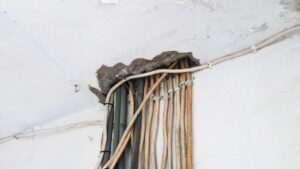
You might spot cloth-covered wires in the basement, attic, or inside an electrical panel. The fabric may appear frayed, brittle, or covered in dust. Some systems were installed inside armored BX cable, so only the fabric insulation is visible where the wire enters a junction box.
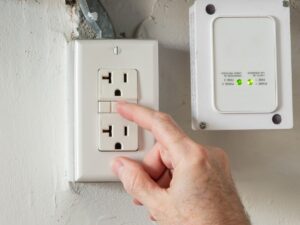
Other signs include frequent blown fuses or tripped breakers, flickering lights, or warm outlets. A home inspection report may also mention cloth wiring or outdated wiring methods.
If you’re unsure, a licensed electrician can quickly determine whether your home has cloth wiring, how extensive it is, and what condition it’s in.

What Philadelphia Homeowners Should Do
If you think your home may still have cloth wiring, start with a professional electrical inspection. A licensed electrician can confirm whether cloth wiring is present, evaluate its condition, and point out any areas that may pose safety concerns. Not every section needs immediate replacement, but understanding what’s behind your walls is essential.
Once you know the extent of the wiring, you and your electrician can evaluate the risk and prioritize upgrades. Some homeowners replace wiring only in high-demand areas like kitchens or bathrooms. Others choose a full rewiring project, especially if they’re planning renovations, upgrading their electrical panel, or preparing to sell their home.

Many people choose to complete the work in stages to manage cost and convenience. This approach works well in older Philadelphia rowhomes with old clothing wiring, where access can be tight and projects require careful planning.
If you’re not sure where to begin, a trusted electrical professional can explain your options, discuss pricing, and recommend the safest path forward.
Why Rewiring Is Worth It
Upgrading from old cloth wiring to a modern electrical system is more than a repair—it’s an investment in the safety and value of your home. New wiring lowers the risk of electrical fires, shocks, and overloaded circuits, giving you confidence that your system can handle everyday use.
Rewiring can also increase your home’s value. Buyers in Philadelphia often look for updated electrical systems, especially in older homes. Modern wiring also makes it easier to secure home insurance and avoid higher premiums.
New wiring ensures that appliances, HVAC systems, and electronics run safely and reliably. During renovations, updated wiring supports new lighting, outlets, and equipment without strain.
Most of all, rewiring offers peace of mind. A safe, modern electrical system makes daily living easier and future projects simpler.
How GEN3 HVAC & Electrical Can Help
Updating an older home’s electrical system can feel overwhelming, but you don’t have to handle it alone. GEN3 HVAC & Electrical works with Philadelphia homeowners every day to inspect and replace aging wiring systems. Our team understands rowhomes, historic properties, and the challenges that come with decades-old wiring. We tailor every plan to your home’s specific needs.
Whether you’re planning a renovation, preparing to sell, or simply want a safer and more reliable system, we can help. From inspections to partial wiring replacements to full rewiring projects, we focus on making the process straightforward and low stress.
If you’re unsure where to start, reach out anytime. A safer, updated electrical system is closer than you think.
Final Thoughts
Cloth wiring is a real part of Philadelphia’s housing history, but it doesn’t always meet today’s safety standards. Understanding what it is and how it affects your home helps you make confident, informed decisions. Whether you discovered cloth wiring during a renovation, spotted frayed insulation, or simply want peace of mind, evaluating your electrical system is always worthwhile. When you’re ready for guidance or next steps, GEN3 HVAC & Electrical is here to support you.
Get in Touch
If you’d like to learn more about your home’s electrical system or schedule an inspection, we’re ready to help. Visit us at www.GEN3.now to explore our services, book an appointment, and see how we support neighborhoods across Philadelphia.
Prefer to speak with someone? Call us at (215) 717-7751. Our team is happy to answer your questions and guide you toward safe, reliable solutions for your home.