
Breaker tripping more often during the winter? You’re not alone. As temperatures drop, your home uses more power. Your electrical system feels that extra strain. Here’s why it happens and what you can do about it.
Understanding Why Your Winter Power Use Impacts Your Breakers
When cold weather hits, most homes start using more electricity. Space heaters turn on. Holiday lights go up. Families spend more time indoors using appliances, TVs, and other electronics.
All this extra demand adds pressure to your home’s electrical system, especially if it’s older or already near its limit.
If you’ve noticed your breakers tripping more during the winter, you’re not alone. Many homeowners see this when temperatures drop. The good news: in most cases, the breaker’s safety feature kicks in and prevents a bigger problem. Most issues are simple to find and fix.
In this blog, you’ll learn the most common reasons breakers trip more in winter. We’ll cover space heaters, holiday lighting, and heavier electrical use. You’ll also get easy tips to keep your home running safely and smoothly all season long.
What a Breaker Actually Does (In Simple Terms)
Your home’s breakers act like bodyguards for your electrical system. They stop too much electricity from flowing through one circuit. When that happens, the breaker “trips” and shuts off power before overheating occurs, a key fire prevention feature explained by the Electrical Safety Foundation International (ESFI): https://www.esfi.org.
So, when a breaker flips off during winter, it’s usually doing exactly what it’s supposed to do, protecting your home from overloaded circuits.
Space Heaters Use A LOT of Power
Space heaters are one of the biggest reasons breakers trips in the winter. Most of them pull around 1,500 watts, which is nearly the full capacity of a standard household circuit. The U.S. Department of Energy provides a helpful breakdown of safe space heater operation here: https://www.energy.gov/energysaver/portable-heaters.
One heater alone can overload a circuit, especially in older homes. Mistakes like plugging heaters into power strips or extension cords make overloads even more likely.
A few common winter habits make trips even more likely. Many people plug a space heater into a power strip or extension cord. That move is unsafe and increases the chance of overheating.
Another issue is running a heater on a circuit that already powers other devices, like TVs, lamps, or holiday lights. Even small items add up and can push a circuit past its limit.
Because space heaters draw so much power, they should use their own outlet on a lightly loaded circuit whenever possible. If your breaker keeps flipping when the heater is on, the circuit is probably handling more than it can safely carry.
Holiday Lights and Decorations Add Extra Load
Holiday lights look small and harmless, but they can add a big electrical load. One strand doesn’t use much power. The problem starts when you plug in multiple strings, yard decorations, inflatables, or older incandescent lights. Those older bulbs use much more electricity than modern LED options.
All these decorations often share the same outlets or extension cords. That setup can quickly overwhelm a circuit. Outdoor lights also create extra stress if the outlets are older, not weather-rated, or already powering other devices.
When too many decorations pile onto one circuit, especially with space heaters on the same line, your breaker may trip because it can’t keep up.
You can reduce this strain by switching to LED holiday lights. Try spreading your decorations across different circuits, too. If your breakers start flipping during the holidays, your festive display may be asking for more power than your system can safely provide.
Heavier Electrical Demand Throughout the Home
Winter naturally increases the amount of electricity your home uses each day. When temperatures drop, families stay inside more. They run heaters, cook more meals, and use more entertainment devices. Extra appliances come out to keep everyone warm and comfortable.

Items like space heaters, electric blankets, heated mattress pads, ovens, microwaves, and hair dryers all place a heavy load on your circuits. Add TVs, gaming systems, chargers, and indoor lighting, and your system may work harder in winter than at any other time of year.
When all these devices run on circuits already close to their limit, it doesn’t take much to push them over the edge. That’s when breakers start to trip. Your system isn’t “broken.” It’s just handling more demand than it was built for.
Older Electrical Panels Struggle in Winter
Many older homes went up long before today’s electrical demands. Back then, households didn’t use space heaters, smart TVs, gaming systems, multiple kitchen appliances, and dozens of chargers all at once.
Because of that, older electrical panels and circuits often can’t keep up with modern winter power use.
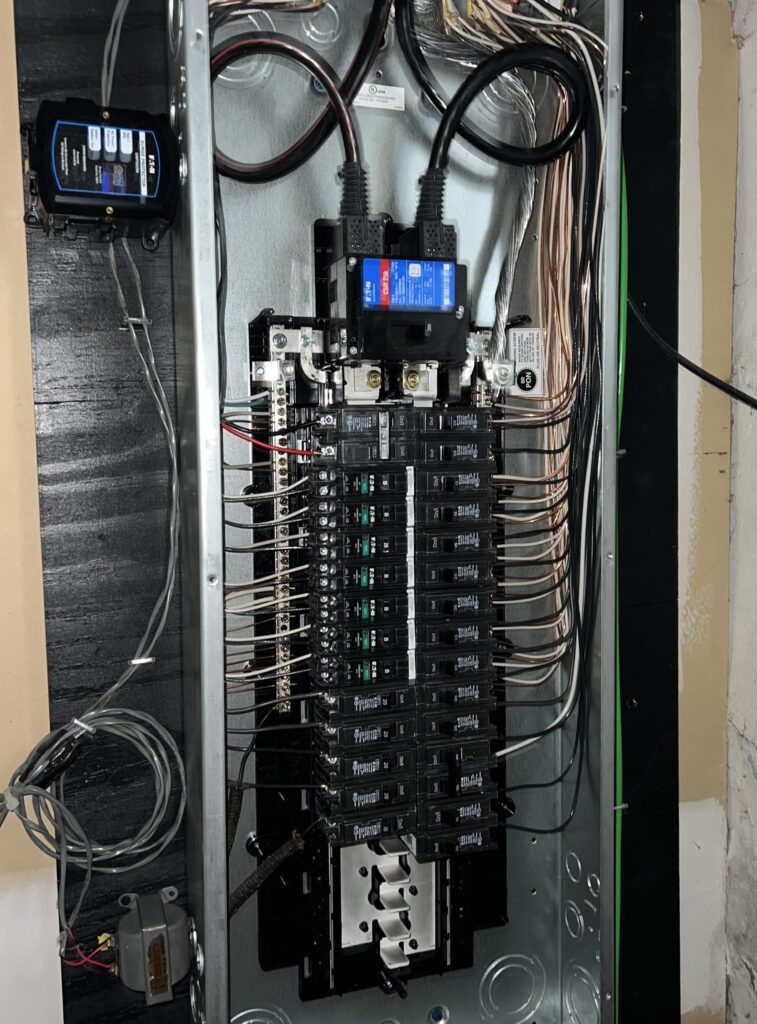
When a panel is outdated, overloaded, or full of worn-out breakers, it may trip more often during colder months. Older wiring and breakers struggle with high-demand devices like space heaters or large holiday displays. Sometimes the panel feels so much strain that even a small increase in use triggers a trip.
Frequent tripping can signal a panel that needs an inspection, repairs, or even an upgrade. A newer, properly sized panel keeps your home safer. It also reduces nuisance trips and delivers the power your family needs during the busy winter season.
Simple Fixes Homeowners Can Try
Before you call for help, try a few easy steps to reduce electrical overload in winter.
Start by unplugging small appliances or devices on the same circuit that keeps tripping. Lamps, chargers, coffee makers, and holiday lights can all add up and push a circuit over its limit.
Switching to LED holiday lights also helps. LEDs use far less electricity than older bulb styles.
If you’re using a space heater, move it to a different outlet or a different room. That change spreads the electrical load across separate circuits. Always plug heaters directly into the wall. Avoid power strips and extension cords, which can overheat and create a fire risk.
If the breaker still flips after these simple changes, the circuit may be overloaded, or your electrical panel may need attention. These small steps won’t fix every issue, but they can solve many common winter breaker problems quickly.
When to Call a Professional
If your breakers keep tripping after you unplug devices or move heavy appliances, it’s time to call a licensed electrician. Frequent or immediate trips can point to a bigger issue. You might have an overloaded panel, aging wiring, loose connections, or a failing breaker.
Watch for warning signs you should never ignore. Call a professional if you notice:
- Burning smells
- Warm or discolored outlets
- Buzzing sounds
- Sparks when you plug something in
These symptoms may indicate a serious electrical problem. You need a trained professional to keep your home safe.
An electrician can inspect your panel, test your circuits, and recommend the best solution. They may rebalance the load, repair damaged wiring, or upgrade your panel. Catching the issue early can prevent bigger problems later and keep your home safe, warm, and powered all winter.
Stay Safe and Warm This Winter
Breaker trips during the winter are very common. In most cases, they simply show that your electrical system is working hard to keep up with cold weather demands. Space heaters, holiday lights, and extra time indoors all strain your circuits. The good news: you can usually understand and fix these issues with a few simple steps.
By learning what causes breaker trips and reducing overload, you help your home run safely and smoothly all season long. If the problem doesn’t go away, or you notice anything unusual, call a professional electrician. They can find the cause and make sure your system can handle winter’s heavy use.
Staying safe and comfortable starts with a reliable electrical setup. If your breakers give you trouble, don’t wait. Get them checked. A quick inspection today can prevent big headaches tomorrow.
Visit www.GEN3.now or call (215) 717-7751 to schedule a safety inspection and make sure your home is winter-ready