GFCI outlets play a critical role in protecting homes throughout Philadelphia, PA, especially in areas where electricity and moisture are likely to mix. Kitchens, bathrooms, basements, garages, laundry rooms, and outdoor spaces all rely on GFCI protection to reduce the risk of electrical shock. While these outlets are designed to keep your household safe, frequent tripping can quickly become frustrating and confusing for homeowners.
If your GFCI outlet seems to trip constantly, you might wonder whether it’s doing its job or signaling a deeper electrical issue. Understanding how GFCI outlets work, why they trip, and when to call a professional can help you stay safe while avoiding unnecessary stress.
What Is a GFCI Outlet and How Does It Work?
GFCI stands for Ground Fault Circuit Interrupter. Unlike standard outlets, GFCI outlets monitor the flow of electricity between the hot and neutral wires. Under normal conditions, the current flowing out should match the current flowing back.
When a GFCI outlet detects even a small imbalance, it shuts off power almost instantly. This rapid response helps prevent electrical shocks, especially in damp or wet environments. In many cases, a GFCI can cut power in as little as a fraction of a second, significantly reducing the risk of serious injury.
Because of their safety benefits, GFCI outlets are required by modern electrical codes in specific areas of the home. In older Philadelphia homes, GFCIs may have been added during renovations or upgrades, sometimes alongside aging wiring systems.
Why GFCI Outlets Trip So Often
While GFCI outlets are meant to trip under unsafe conditions, repeated tripping can point to a variety of causes. Some are simple and easy to resolve, while others require professional attention.
Moisture Exposure
Moisture is one of the most common reasons GFCI outlets trip. In kitchens and bathrooms, steam, splashes, or condensation can introduce moisture into outlets or connected devices. Basements and outdoor outlets are especially vulnerable to damp conditions, humidity, or water intrusion. Even small amounts of moisture can disrupt the electrical current, causing the GFCI to shut off power as a precaution.
Faulty or Wet Appliances
Appliances connected to GFCI outlets can also cause frequent tripping. Hair dryers, coffee makers, toasters, power tools, or older appliances with worn cords may leak small amounts of current. If an appliance has internal damage or moisture inside, it can repeatedly trigger the outlet.
A quick way to test this is to unplug all devices from the outlet, reset it, and plug appliances back in one at a time. If the outlet trips again after a specific device is connected, the appliance is likely the issue.
Overloaded Circuits
Although GFCI outlets are designed for safety rather than load management, overloading a circuit can still contribute to tripping. Running multiple high-powered appliances on the same circuit increases electrical stress and can cause interruptions. In older Philadelphia homes, electrical systems were often designed for fewer appliances than households use today, resulting in more frequent overloads.
Wiring Problems
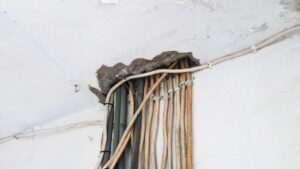
Loose connections, damaged wiring, or improper installation can all cause GFCI outlets to trip. Wiring issues may exist behind the outlet, within junction boxes, or elsewhere along the circuit. These problems are more common in older homes, where wiring materials and methods may no longer meet current standards. Because wiring problems are not always visible, repeated tripping without an obvious cause should be taken seriously.
Aging GFCI Outlets
Like any electrical component, GFCI outlets wear out over time. Most GFCIs last around 10 to 15 years, depending on usage and environmental conditions. As they age, they may become overly sensitive or fail to function properly. If your outlet trips frequently despite no apparent issue, replacement may be the safest solution.
How to Safely Reset a GFCI Outlet
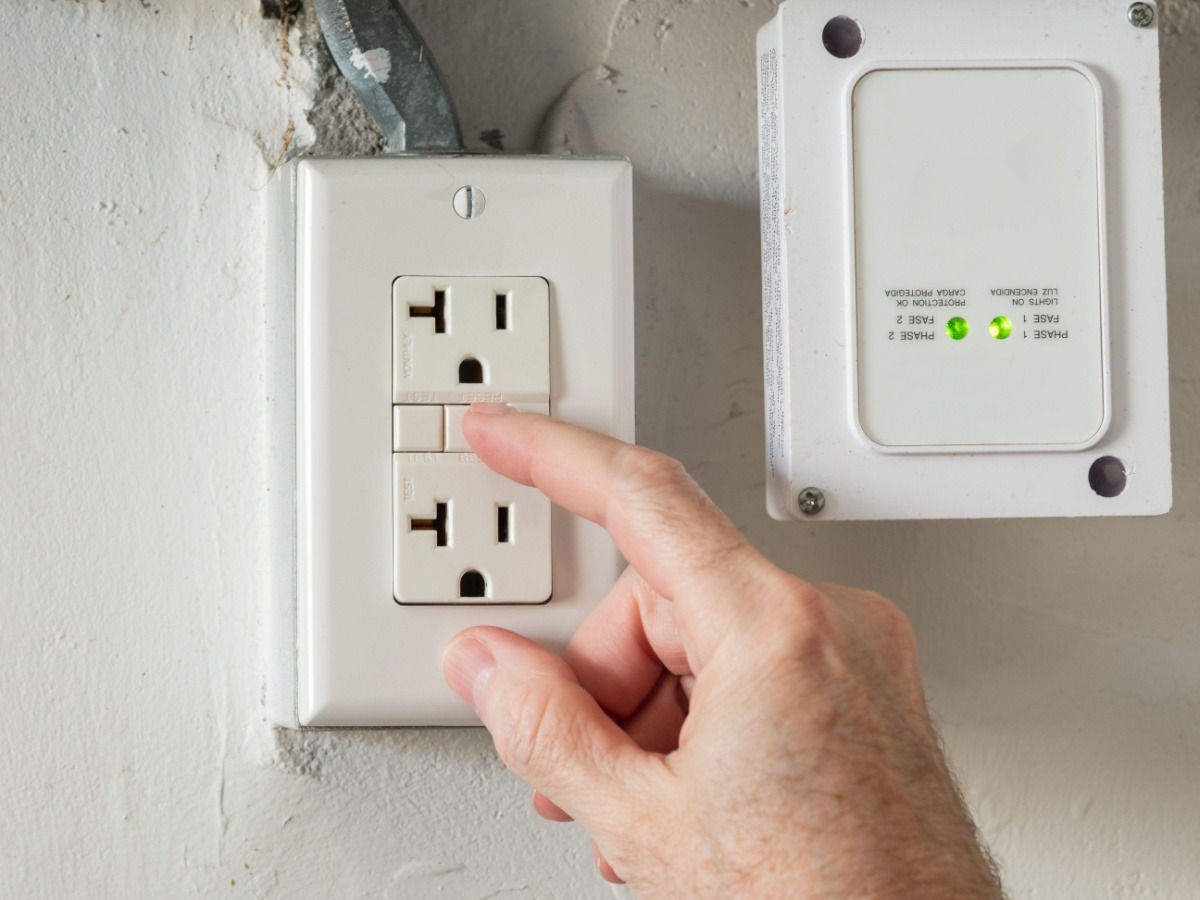
Resetting a GFCI outlet is usually simple, but it’s important to do it safely. Start by unplugging any devices connected to the outlet. Look for the two buttons on the outlet face, typically labeled “TEST” and “RESET.” Press the “RESET” button firmly until you hear or feel a click. Power should then be restored.
If the outlet does not reset, press the “TEST” button first, then try resetting again. If the outlet still will not reset or immediately trips again, leave it off and contact a licensed electrician. Never force a reset or repeatedly reset an outlet that keeps tripping without identifying the cause.
When Repeated Tripping Signals a Bigger Problem
Occasional tripping is normal, especially in moisture-prone areas. However, frequent or unexplained tripping often indicates a deeper issue that should not be ignored.
If multiple GFCI outlets trip at once, an outlet fails to reset, or tripping occurs with nothing plugged in, there may be a wiring or circuit problem. In some cases, GFCI outlets may protect against serious hazards, such as ground faults or damaged insulation.
Why Older Philadelphia Homes Are More Susceptible
Many Philadelphia homes were built decades ago, long before GFCI outlets became standard. Older wiring systems may not be grounded properly or may use materials that degrade over time.
When modern GFCI outlets are installed on aging circuits, they may trip more frequently because they are detecting issues that older outlets could not. While this can feel frustrating, it often means the GFCI is doing exactly what it was designed to do. In these cases, a professional evaluation can help determine whether outlet replacement, wiring repairs, or broader electrical upgrades are necessary.
The Importance of Working With a Licensed Electrician
While resetting a GFCI outlet is safe for homeowners, diagnosing ongoing electrical issues is not a DIY task. Electrical systems are complex, and improper repairs can increase safety risks.
A licensed electrician can test outlets, inspect wiring, identify moisture issues, and ensure your system meets current safety standards. Professional service also ensures that any repairs or upgrades are completed correctly and safely.
How GEN3 Electric & HVAC Can Help
At GEN3 Electric & HVAC, we help homeowners throughout Philadelphia, PA, and the surrounding areas resolve electrical issues with confidence. Our experienced electricians can diagnose why GFCI outlets keep tripping, determine whether replacement or repair is needed, and address underlying wiring or moisture concerns. Whether you need a single outlet replaced, multiple GFCI upgrades, or a full electrical inspection, our team focuses on safety, reliability, and long-term solutions.
If your GFCI outlets keep tripping or you have concerns about electrical safety in your home, contact GEN3 Electric & HVAC today. We’re here to help keep your home protected, powered, and running smoothly.