
Why Your Heater Struggles During Philly Cold Snaps (And What to Do About It)
If your home feels colder than usual during winter freezes, you’re not alone. Heater problems in cold Philadelphia weather are extremely common, even when a heating system is in good condition. Many homeowners assume something is broken the moment their house won’t warm up quickly, but extreme cold, snow, and ice can place serious strain on HVAC systems throughout the region.
Philadelphia winters often bring prolonged freezing temperatures that push furnaces and heat pumps beyond their typical workload. Understanding what’s normal during cold snaps, and what signals a real issue, can help you protect your comfort, your system, and your home.
How Extreme Cold Affects Furnaces and Heat Pumps
When temperatures drop well below freezing, heating systems must work harder and longer to maintain indoor comfort. During Philly cold snaps, your furnace or heat pump may run nearly nonstop just to keep up with heat loss through walls, windows, and doors.
Common effects of extreme cold include:
Longer heating cycles
Slower temperature recovery
Air from vents feeling less warm than expected
Increased energy usage

Heat pumps are especially affected because they rely on outdoor air to generate heat. As outdoor temperatures plunge, efficiency drops and the system relies more on auxiliary or backup heat. This can make it seem like something is wrong when the system is simply responding to harsh weather conditions.
Heater Problems in Cold Weather: Normal Strain vs. Real Issues
Not all winter performance changes indicate failure. Some heater problems in cold weather are completely normal and temporary. These include:
- Longer run times
- Minor indoor temperature fluctuations
- Higher-than-usual heating bills
However, certain warning signs suggest a real problem that shouldn’t be ignored:
- Cold or lukewarm air blowing from vents
- Loud banging, grinding, or rattling noises
- Frequent system shutdowns or short cycling
- Uneven heating from room to room
If you notice these symptoms, your heater may be struggling with more than just the weather.
Quick Homeowner Fixes to Try First
Before scheduling service, there are a few simple steps homeowners can take to reduce strain during extreme cold:

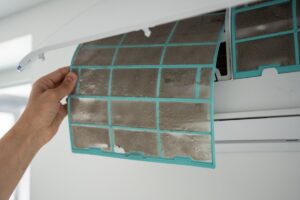
Replace dirty or clogged air filters
Check thermostat settings and replace batteries
Make sure vents are open and unobstructed
Seal drafts around doors and windows
These quick checks can improve airflow and efficiency, helping your system perform better during cold snaps. While they won’t solve every issue, they can minimize unnecessary stress on your heater.
Energy-Saving Tips from the U.S. Department of Energy
Homeowners can further reduce heater problems in cold weather by following energy-saving recommendations from the U.S. Department of Energy.
For homes with conventional heating systems, setting your programmable thermostat as low as comfortably possible during winter, and lowering it further while sleeping or away, can help reduce strain on your heater and lower energy usage.
Heat pump systems work differently. Because heat pumps operate most efficiently at a steady temperature, the Department of Energy recommends a “set it and forget it” approach. Instead of frequently adjusting the thermostat, choose a reasonable temperature and allow the system to maintain it consistently.
In addition, taking advantage of natural sunlight can improve indoor comfort. During winter days, open drapes or shades on south-facing windows to let sunlight naturally warm your home. At night, closing them helps reduce heat loss and limit cold drafts from windows.
Why Cold Weather Can Reveal Hidden Heating Issues
Freezing temperatures don’t just strain your heater, they often expose problems that already existed. Worn components, airflow issues, electrical problems, or aging systems may work fine during mild weather but struggle when demand peaks.
That’s why heater problems in cold conditions often appear suddenly. What seems like a weather-related issue can quickly turn into frozen pipes, system shutdowns, or emergency repairs if ignored.

When to Call a Professional
If basic fixes don’t improve comfort, or your home still won’t stay warm during freezing temperatures, it’s time to call a professional. Persistent heater problems in cold Philadelphia weather can lead to costly damage, safety concerns, and complete system failure if left unaddressed.
GEN3 HVAC & Electrical provides dependable heating repair and emergency service throughout Philadelphia and surrounding areas. Our team can identify whether your system is experiencing normal cold-weather strain or a problem that needs immediate attention.
Stay Warm and Protected This Winter
Philadelphia winters can be unpredictable, but your heating system doesn’t have to be. Knowing how cold weather affects your heater, and when to take action, helps keep your home safe, comfortable, and energy-efficient all season long.
If you’re dealing with ongoing heating issues during freezing weather, GEN3 HVAC & Electrical is here to help when you need it most.