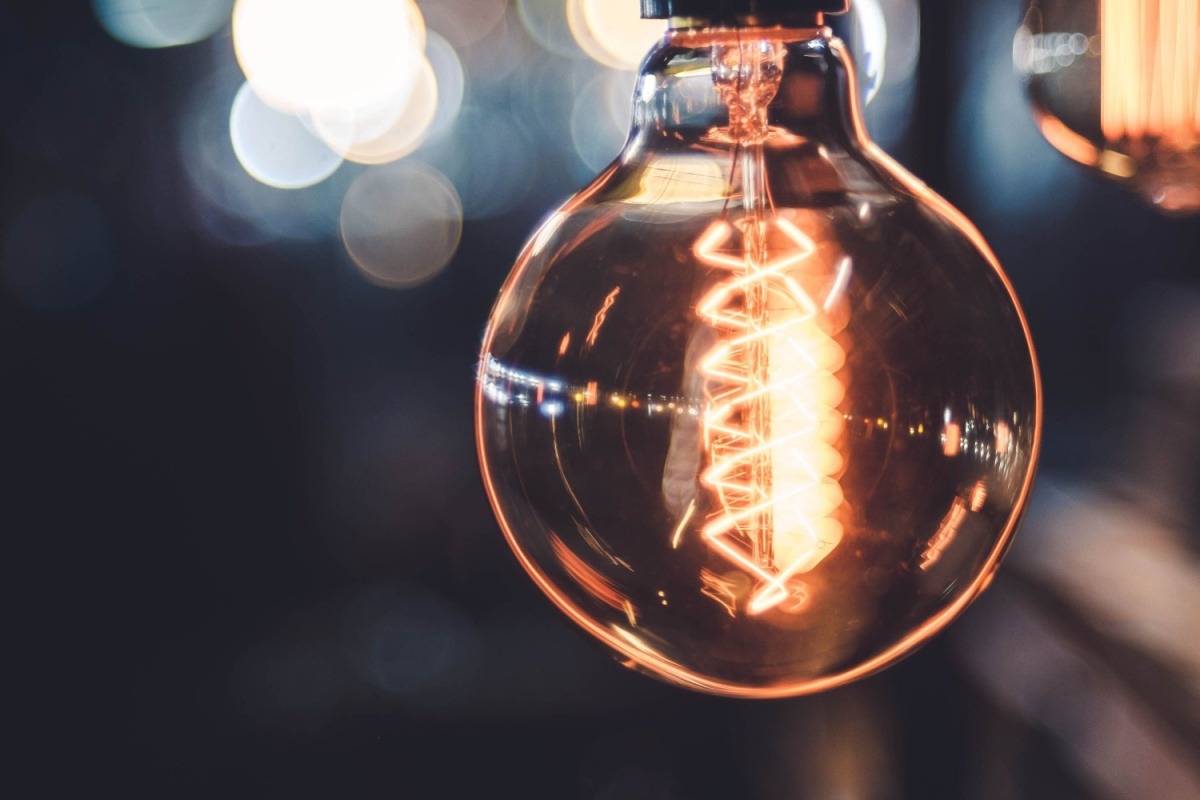
Many homeowners have experienced it at some point. You’re relaxing at home when the lights suddenly flicker. Maybe it lasts only a moment before everything returns to normal. Because the issue seems minor, it’s easy to ignore. However, flickering lights can sometimes signal underlying electrical problems that should not be overlooked.
In some cases, the cause is simple, like a loose bulb or an aging light fixture. In other situations, flickering lights may indicate more serious electrical concerns, such as overloaded circuits, failing wiring, or an outdated electrical panel. These problems can affect your home’s electrical performance and, in certain cases, create safety risks.
Recognizing the cause of flickering lights early can help prevent more serious electrical problems down the road. By understanding what these warning signs mean, homeowners can take action before a small issue turns into larger electrical repairs.
Loose Light Bulbs or Light Fixtures
One of the most common and simplest causes of flickering lights is a loose light bulb. When a bulb is not securely seated in its socket, it may lose consistent contact with the electrical current. This interruption can cause the light to flicker or dim intermittently.
Over time, vibrations, temperature changes, or frequent bulb replacements can loosen the connection between the bulb and the socket. If tightening the bulb resolves the issue, the fix may be as simple as ensuring the bulb is properly installed.
However, sometimes the problem involves the fixture rather than the bulb. Worn sockets, loose wiring inside the fixture, or older fixtures that have deteriorated over time may also cause flickering. If you notice that tightening the bulb does not solve the issue, or if the fixture itself appears damaged, it’s best to have a licensed electrician inspect it to ensure the wiring and connections are safe.
Overloaded Electrical Circuits
Another common cause of flickering lights is an overloaded electrical circuit. This occurs when too many devices or appliances draw power from the same circuit at the same time.
When high-energy appliances such as microwaves, air conditioners, or space heaters turn on, they may temporarily draw more power than the circuit can comfortably handle. This sudden demand can cause lights connected to the same circuit to dim or flicker.
Occasional flickering when a large appliance starts may not always indicate a serious issue. However, if it happens frequently, it may mean that your home’s electrical system is struggling to keep up with your household’s energy demands. An electrician can evaluate the circuit load in your home and determine whether additional circuits or electrical upgrades are needed to safely support modern appliances and technology.
Voltage Fluctuations
Lights that repeatedly brighten and dim may be experiencing voltage fluctuations within the electrical system. Voltage should remain relatively stable throughout a home. When it fluctuates significantly, it can cause lighting to behave unpredictably.
You may notice this problem when lights become noticeably brighter or dimmer when large appliances turn on. In some cases, voltage swings can shorten the lifespan of light bulbs or even damage sensitive electronics.
If voltage fluctuations are suspected, it’s important to have a professional evaluate your electrical system. Identifying the source of the problem early can help protect your appliances, electronics, and lighting systems.
Aging or Damaged Wiring
Older homes in Philadelphia often contain wiring systems that were installed decades ago. While these systems were designed to meet the electrical needs of their time, today’s homes rely on far more devices, appliances, and technologies.
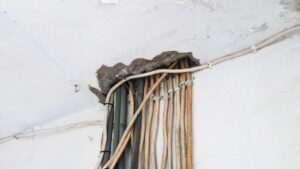
As wiring ages, connections can loosen, insulation can deteriorate, and circuits may become less reliable. These issues can lead to flickering lights, especially when multiple devices are in use.
Damaged or outdated wiring should always be taken seriously. In addition to causing lighting issues, faulty wiring can increase the risk of electrical fires. If flickering lights occur frequently or affect multiple areas of your home, it may indicate that the wiring system needs inspection, repair, or modernization. A licensed electrician can evaluate your wiring and recommend safe solutions to improve reliability.
Problems With the Electrical Panel
Your electrical panel acts as the central hub that distributes electricity throughout your home. When the panel becomes outdated, overloaded, or damaged, it may struggle to deliver consistent power to all circuits.
Flickering lights can sometimes occur when breakers fail to maintain steady connections or when the panel itself no longer supports the electrical load of a modern household. Many older homes still rely on panels installed decades ago that were not designed to power today’s appliances, entertainment systems, home offices, and HVAC equipment. Upgrading an electrical panel can significantly improve power distribution and reduce issues such as flickering lights, breaker trips, and inconsistent electrical performance.
Why Electrical Issues Should Never Be Ignored
Because flickering lights often appear harmless, homeowners sometimes delay addressing the problem. However, ignoring electrical warning signs can lead to more serious issues over time.
Electrical problems can create several potential risks, including:
- Increased fire hazards due to faulty wiring or overloaded circuits
- Damage to appliances and electronics caused by unstable power supply
- Frequent power disruptions that affect daily activities
- Gradual deterioration of electrical components throughout the home
Addressing electrical concerns early can help protect your home, your equipment, and your family. Even when the cause turns out to be minor, having a professional confirm the issue can provide peace of mind.
When to Call a Licensed Electrician
While some flickering lights can be resolved with simple fixes, many situations require a professional inspection. You should consider contacting an electrician if:
- Lights flicker frequently or throughout multiple rooms
- Lights dim significantly when appliances turn on
- Bulb replacements do not resolve the issue
- You notice buzzing sounds near fixtures or outlets
- Breakers trip frequently or outlets feel warm
A licensed electrician has the tools and expertise to safely diagnose electrical problems and identify the most effective solutions.
Schedule Electrical Service in Philadelphia Today
If you have noticed flickering lights or other electrical warning signs in your home, it’s important to address the issue before it becomes a larger problem. Even small electrical concerns can signal underlying system issues that require professional attention.
GEN3 Electric & HVAC proudly serves homeowners throughout Philadelphia and the surrounding areas, providing trusted electrical services designed to keep your home safe and running smoothly. Contact GEN3 Electric & HVAC today to schedule an electrical inspection or troubleshooting service and restore confidence in your home’s electrical system.