When there’s a new baby or an elderly parent in the home, suddenly every corner of the house feels a little more important. Ensuring home safety for babies and seniors becomes the number one priority, especially when it comes to your heating and electrical systems. From cold winter nights to everyday appliance use, the way your home runs behind the scenes can make a big difference in the comfort and protection of the people you love most.
Home Safety for Babies & Seniors, A Comfortable Home for Every Generation
Outlets you never noticed, thermostats you adjust without thinking, and the way your rooms heat or cool start to matter more. Baby gates and handrails help, but your electrical and heating systems quietly shape your home’s safety, warmth, and peace of mind.
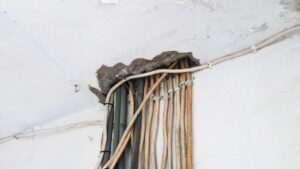
Older rowhomes, historic buildings, and homes with aging wiring or dated radiators often hide risks you may not see until someone more vulnerable moves in. Loose outlets, uneven temperatures, drafty rooms, outdated panels, or older furnaces can create problems for infants who need stable warmth and seniors who are sensitive to cold or safety hazards.
Creating a Safe Electrical Environment for Families
Kid-Proofing Electrical Basics
As babies begin to explore their environment, they see the world from the floor up. Outlets become bright little mysteries, and even harmless-looking devices catch their attention.

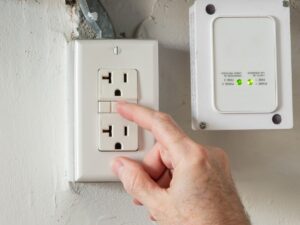
That’s why one of the best electrical upgrades you can make is installing tamper-resistant outlets (TRRs). These child-safe outlets include internal shutters that stay closed unless equal pressure is applied to both sides, something children cannot do with toys or small objects. TRRs look like standard outlets but prevent accidental shocks. They’re a great choice for nurseries, playrooms, and any space kids use often.
Adding outlet covers or sliding plates offers an extra layer of protection, especially in nurseries, play areas, and anywhere babies spend their time. These small changes help prevent accidents long before tiny fingers reach for something they shouldn’t.
Smart Cord Management
Cords are surprisingly tempting to babies. They’re fun to pull, easy to chew, and they tangle around everything in reach.
Whenever possible, plug devices directly into the wall and route cords behind furniture or along the wall. Avoid long extension cords, especially in sleeping areas. This reduces electrical risks and prevents accidents.
Nursery must-haves such as monitors, sound machines, humidifiers, and nightlights should be plugged into grounded outlets and, ideally, supported by high-quality surge protection. Avoid overloaded power strips or cheap adapters.
The goal is to create a safe, calm, reliable environment where every device works the way it should, without introducing avoidable risks.
Lighting & Accessibility
Nighttime care goes much smoother with thoughtful lighting. Overhead lights are often too bright and can wake up a baby, or an exhausted parent.
Installing dimmer switches is a simple upgrade that instantly improves nighttime routines. Dimmers let you soften the glow in nurseries and bedrooms, creating a calm environment without the need for bright, disruptive lighting.

Smart bulbs are another great option; they can be controlled from your phone, set to gentle warm tones, or programmed for gradual lighting changes that won’t overstimulate a baby or sleepy parent.
Motion-activated lights in hallways or staircases are also a major help. They guide you safely while you move through the house at night, giving you confidence when carrying a baby or navigating in low light.
Electrical Safety for Homes with Elderly Parents
Reducing Trip Hazards for Aging Loved Ones
As parents and grandparents get older, mobility, balance, and reaction time naturally change, which makes the layout of your home more important than ever. One of the most common (and often overlooked) safety concerns is the presence of long cords stretching across floors or walkways. These cords may seem harmless, but for seniors, they can become serious tripping hazards.
A simple way to improve safety is by relocating outlets higher on the wall or adding additional outlets where they’re needed most.
Extra outlets also make it easier to use essential devices like lamps, medical equipment, or phone chargers without creating cluttered pathways.
Switch & Lighting Improvements
Good lighting is one of the simplest and most effective ways to keep elderly family members safe at home. As vision changes with age, even familiar spaces can become harder to navigate, especially at night or in dim corners of the house. Small upgrades to your lighting and switches can dramatically improve comfort and confidence.
Another smart improvement is motion-activated lighting in key areas like hallways, bathrooms, and staircases. These lights illuminate automatically when someone enters the space, eliminating the need to reach for a switch in the dark.
Backup Power for Medical and Safety Needs
For seniors who rely on medical equipment or mobility devices, consistent, dependable power isn’t just convenient; it’s essential. Equipment like oxygen machines, CPAP units, medical beds, monitors, and mobility chargers must remain powered, even during outages or winter storms.
This is where whole-home surge protection, or a backup generator becomes invaluable. A surge protector helps shield sensitive medical devices from power spikes that could damage them. Meanwhile, a properly sized generator ensures critical equipment keeps running during unexpected outages, allowing your loved one to stay safe and comfortable at home.
Heating Safety for Babies & Seniors
Temperature consistency is one of the most important factors in keeping babies and elderly family members safe and comfortable at home.

Start by maintaining a temperature between 68–72°F, which is generally recommended for healthy breathing, circulation, and overall comfort. One of the easiest ways to do this is by installing a programmable or smart thermostat. These devices help regulate your home’s temperature throughout the day, prevent sharp fluctuations, and allow you to adjust remotely, especially helpful during nighttime routines or when caring for a loved one with limited mobility.
It’s also crucial to avoid portable space heaters in nurseries, bedrooms, and rooms used by elderly individuals. While they may seem like a convenient solution for chilly spots, space heaters are a leading cause of winter house fires and can create burn risks or unstable hot zones.
Air Quality & Ventilation
Clean air and proper airflow play a huge role in keeping babies and elderly family members healthy and comfortable at home.
According to the Environmental Protection Agency (EPA), improving indoor air quality starts with regular HVAC filter replacement and proper ventilation. Fresh filters help trap dust, pet dander, and airborne irritants, reducing what circulates through your home.
It’s also helpful to take a quick look at your home’s vents. Blocked or covered vents can cause uneven heating, forcing your system to work harder, and creating cold spots that may be uncomfortable or unsafe for vulnerable family members. Make sure furniture, curtains, and storage items aren’t restricting airflow.
Carbon Monoxide & Smoke Safety
When caring for babies or elderly family members, staying ahead of carbon monoxide and fire risks is essential, especially during the winter months when heating systems run constantly. Older or poorly maintained furnaces can produce carbon monoxide (CO) if they’re damaged, improperly vented, or overdue for service. Because CO is colorless and odorless, it can build quietly, making it particularly dangerous for vulnerable family members who may not recognize early symptoms.
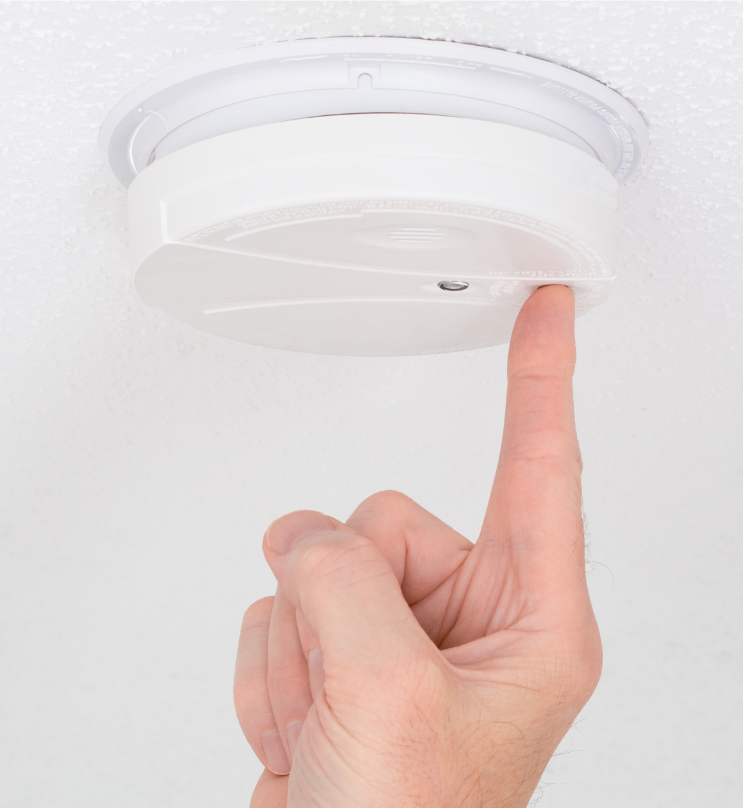
The best protection is installing dual smoke and carbon monoxide detectors on every floor of your home, with special attention to hallways and areas near bedrooms. Be sure to test detectors monthly and replace batteries as needed to ensure year-round reliability.
The National Fire Protection Association (NFPA) notes that space heaters are a leading cause of home fires, especially in winter.
Smart Home Add-Ons for Peace of Mind
Smart home technology can make life easier for families caring for babies, seniors, or both, especially when you want extra reassurance that your home is running safely, even when you’re not in the room.
Start with a smart thermostat, which lets you monitor and adjust your home temperature from your phone. Many models also send alerts if your home gets too cold or too warm.
Another simple upgrade is smart plugs, which automatically shut off devices after a set period of time. This reduces fire risks and helps maintain safer routines throughout the day.
For added protection, consider installing water leak detectors near your boiler, water heater, laundry area, or basement. These small sensors send instant alerts to your phone if they detect moisture, helping you prevent costly damage and protect vulnerable family members from slipping hazards or sudden temperature loss caused by leaks.
Creating Home Safety for Babies and Seniors
Caring for a new baby or an elderly parent can bring big changes to your home, but even small upgrades to your heating and electrical systems can make a huge difference.
From safer outlets and stable temperatures to cleaner air and smart-home tools, these improvements create a more reliable and comfortable environment for the people who matter most.
If you’d like help checking your home’s systems or making safety-focused updates, GEN3 is here to support your family every step of the way.
Visit www.GEN3.now or call (215) 717-7751 to schedule a safety inspection and make sure your home is winter-ready.