A Timeline of Home Electrical Systems from Fuse Boxes to Smart Load Centers
Why Your Electrical Panel’s Lifespan Matters
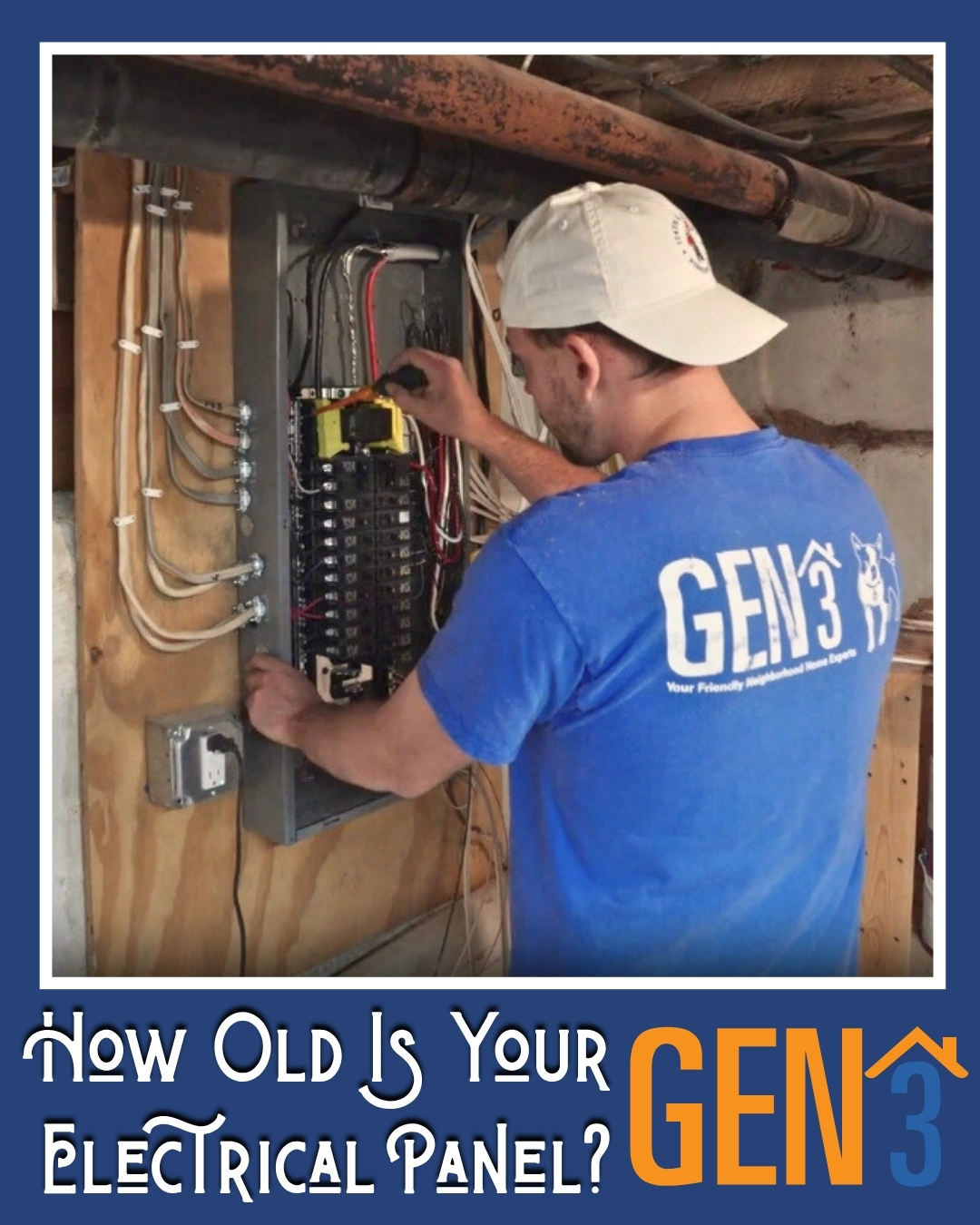
Your home’s electrical panel is the heart of its power system by distributing electricity safely and efficiently to every outlet, appliance, and light. But like any system, panels age. Outdated designs can struggle to meet today’s electrical demands, increasing the risk of tripped breakers, overheating, or even fires.
Understanding how electrical panels lifespan have evolved helps homeowners recognize when an upgrade is overdue. From the early fuse boxes of the 1900s to today’s smart load centers, here’s a breakdown of each era and what it means for your home’s safety and efficiency.
Early 1900s – The Fuse Box Era
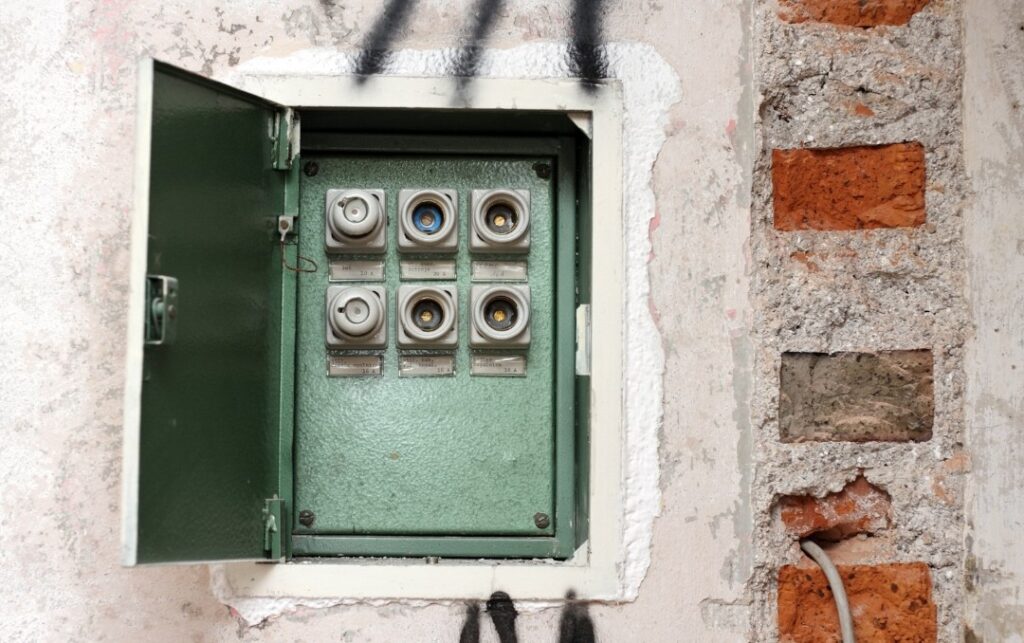
Type: Screw-in or cartridge fuses
Common in: Homes built before 1950
Fuse boxes were among the first home electrical systems. These ceramic or metal devices were designed to handle limited circuits, mainly lighting and a few small appliances. When too much current passed through, the fuse “blew” and had to be replaced, serving as an early form of circuit protection.
By the 1920s and 1930s, fuse boxes were updated to handle emerging technologies like refrigerators and radios. While safe when maintained, fuse boxes lack grounding and can’t support the high-power needs of modern homes.
Homeowner Tip: Consistent monitoring for frayed wires or short circuits can keep your home from experiencing potentially dangerous electrical problems, but upgrading to a circuit breaker is still recommended if you want to avoid the inconvenience of frequent power outages.
1950s – Pushmatic Panels
Brand: Bulldog / Pushmatic

Pushmatic panels replaced fuses with push-button circuit breakers, which was a major innovation at the time. Instead of flipping switches, homeowners pressed buttons to reset circuits, with small indicators showing whether the breaker was on or off.
However, these panels are now more than 40 years old. Over time, their internal parts stiffen, making breakers difficult to trip or reset. Pushmatic panels also lack a central main disconnect, which complicates maintenance and emergency shutdowns.
As home electrical demands grew, especially with the rise of TVs, HVAC systems, and kitchen appliances, these panels became undersized and outdated.
There’s no central main breaker; instead, it relies on multiple branch breakers. A 100-amp panel that was fine for a 1950s-1970s home often isn’t enough for modern living. (Many homes now need 150- or 200-amp service).
Additionally, internal connections may loosen, increasing the risk of overheating or arcing. It also lacks a modern main disconnect, which is a major safety concern for emergency shut off or maintenance
Recommendation: If your home still uses a Pushmatic panel, consider upgrading to a modern system with GFCI/AFCI protection and a main breaker for safety.
1960s–1980s – Federal Pacific Electric (FPE) Stab-Lok Panels Lifespan
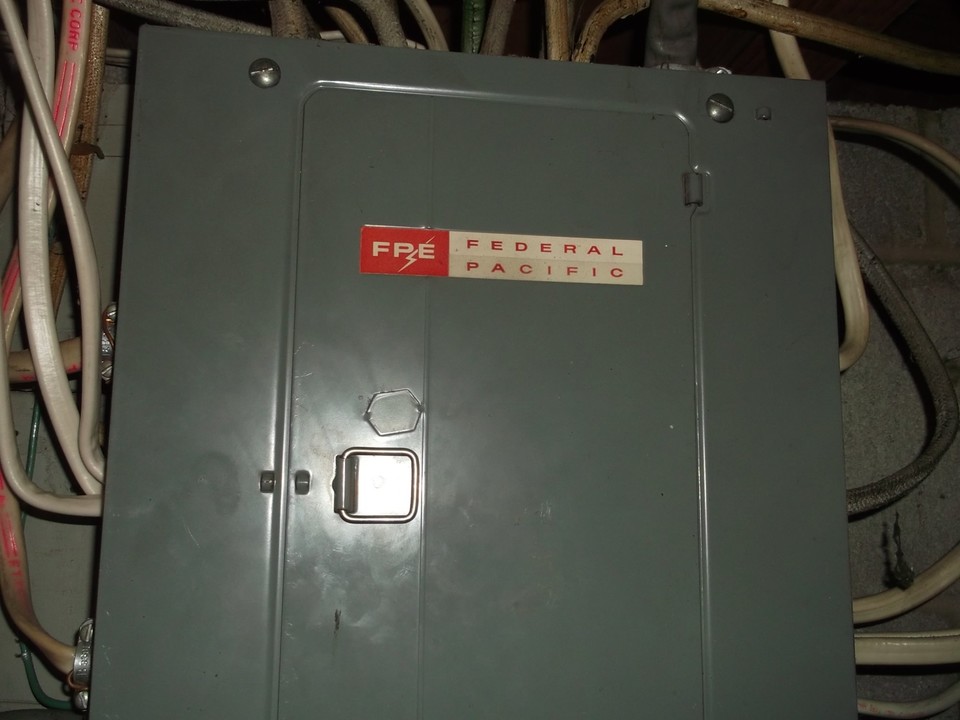
Brand: Federal Pacific Electric (no longer in business)
FPE Stab-Lok panels were widely installed for decades, but later testing revealed major safety defects. The breakers often failed to trip during overloads, a dangerous flaw that could lead to electrical fires.
Despite being discontinued, millions remain in homes today. Studies found that up to 65% of these breakers fail under overload, and many “lock up” after tripping once, never functioning again.
Although the U.S. Consumer Product Safety Commission (CPSC) didn’t officially recall them due to budget limits, experts, electricians, and insurance companies classify FPE panels as unsafe and obsolete. Many people remain unaware that these panels are unsafe or take it lightly! There are still over 25 million FPE panels in residential homes and commercial businesses in the United States.
GEN3 Pro Tip: If your home still has an FPE or Stab-Lok panel, replacement is strongly recommended to eliminate the fire hazard.
1970s–1980s – Zinsco / Sylvania Electrical Panel Lifespan
Brand: Zinsco (later Sylvania)

Zinsco panels were popular for their compact design and colorful breaker handles, but their aluminum bus bars made them prone to corrosion and loose connections. As these connections deteriorate, they can cause overheating, arcing, or even fires.
These breaker panels were widely installed in homes and businesses throughout the 1950s to the 1970s, becoming a common fixture in many electrical systems.
Breakers in Zinsco panels also have a dangerous tendency to “stick” in the ON position, which allows electricity to keep flowing even in an overload.
Production of these panels was discontinued in the mid-1980s after consistent reports of safety issues. For homeowners and real estate professionals, discovering this type of panel can be a red flag.
Recommendation: Many electricians strongly recommend replacing your Zinsco electrical panel due to the significant fire risk they pose. If your home still has one of these panels, a full electrical inspection and panel replacement should be prioritized.
1980s–2000s – Modern Breaker Panels (Copper Bus)
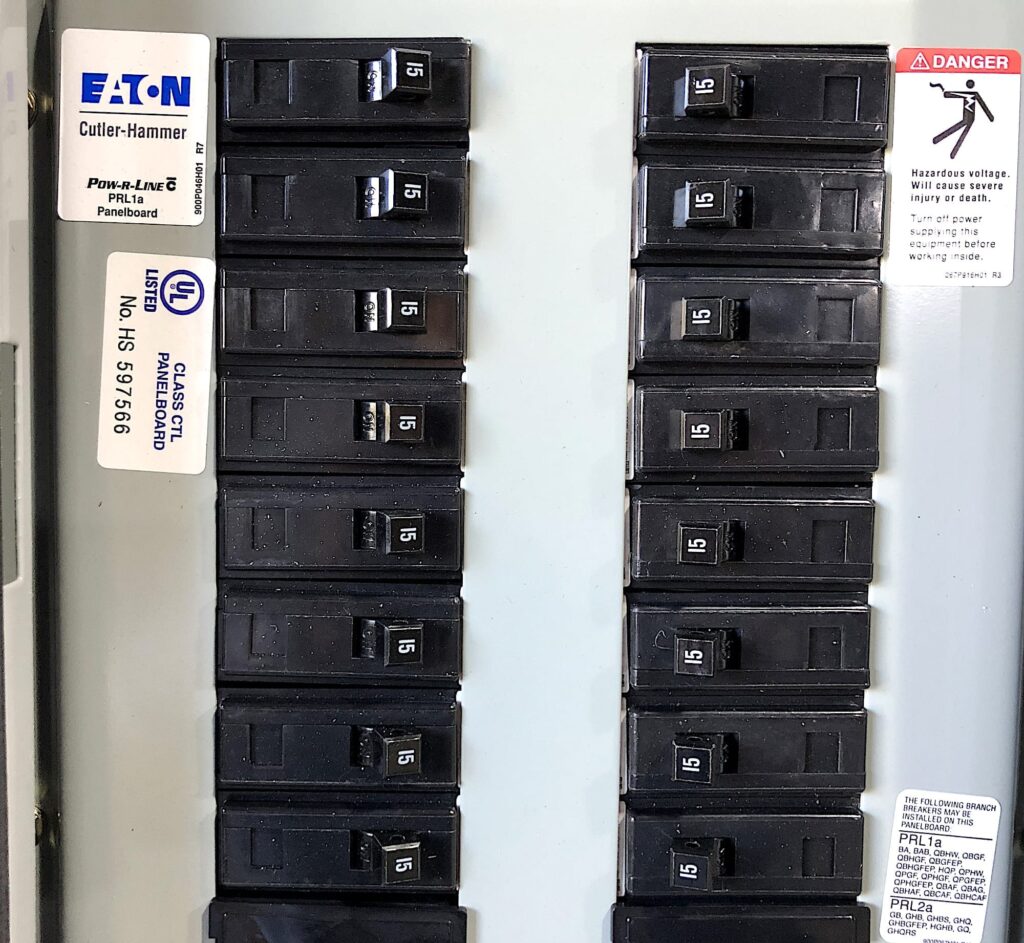
Brands: Square D, Siemens, GE, Eaton
By the 1980s, electrical panels evolved significantly. Manufacturers like Square D and Siemens introduced copper bus bars for better conductivity and corrosion resistance. These panels became the new standard since they are safer, grounded, and expandable.
Key improvements included:
- Thermal & magnetic trip breakers that react quickly to short circuits
- Dedicated grounding bars for safety
- UL and NEC compliance
- Introduction of GFCI and AFCI breakers to prevent shock and fire hazards
Most homes from this period feature 100–200-amp service, meeting modern power needs.
Maintenance Tip: Panels from this era are still reliable, but if yours is 25+ years old, schedule a professional inspection. Breakers may loosen, corrode, or wear out over time.
2000s–2010s – Smart & High-Efficiency Panels
Brands: Square D (QO/Homeline), Siemens, Eaton, GE, Leviton

Electrical panels became more efficient and safer during this era. Homeowners gain access to dual-function AFCI/GFCI breakers, whole-home surge protection, and energy-monitoring options.
Breaker innovations included:
- GFCI protection for wet areas (kitchens, bathrooms, outdoors)
- AFCI protection for bedrooms and living spaces
- Combination breakers for whole-home safety
- Surge protection devices (SPD) to guard against voltage spikes
While these panels are still modern and serviceable, most lack built-in Wi-Fi or smart monitoring.
GEN3 Pro Tip: Consider adding surge protection or upgrading to a smart-ready load center to support solar, EVs, or future high-efficiency HVAC systems.
2020s–2025 – Smart Load Centers & Whole-Home Energy Management
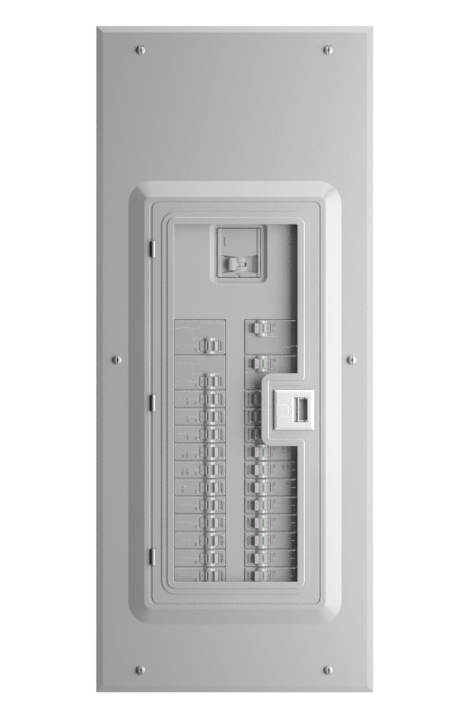
Brands: Span, Leviton Smart Load Center, Schneider Wiser, Siemens Connect
Welcome to the future of electrical systems. Smart load centers are transforming how homeowners interact with their power. These panels connect to Wi-Fi, allowing you to monitor and control circuits from your smartphone.
Key Features:
- App-based monitoring: Track usage and remotely reset breakers
- Solar & battery integration: Perfect for renewable energy systems
- EV charging support: Balance home loads to prevent overload
- Load prioritization: Keep essential systems running during peak demand or outages
- Remote diagnostics: Enable electricians to troubleshoot issues faster
These panels make homes more efficient, resilient, and future-ready, which is ideal for Philadelphia homeowners adopting solar, EVs, or smart HVAC systems.
GEN3 Takeaway: Smart load centers give you full visibility and control over your energy use, helping you reduce costs and prepare for a cleaner, more connected future.
Conclusion: The Power Behind Your Home’s Future
Your electrical panel tells the story of your home’s evolution, from simple fuses to intelligent, Wi-Fi-connected systems. Whether your home still relies on an older panel or you’re ready to upgrade to a smart one, safety and performance start here.
GEN3 Electric & HVAC can evaluate your current system, recommend the best upgrade path, and ensure your electrical setup supports your modern lifestyle: safely, efficiently, and future-proofed for years to come.
Schedule your electrical inspection or panel upgrade with GEN3 today and power your home with confidence.