What To Do If You See A Downed Power Line

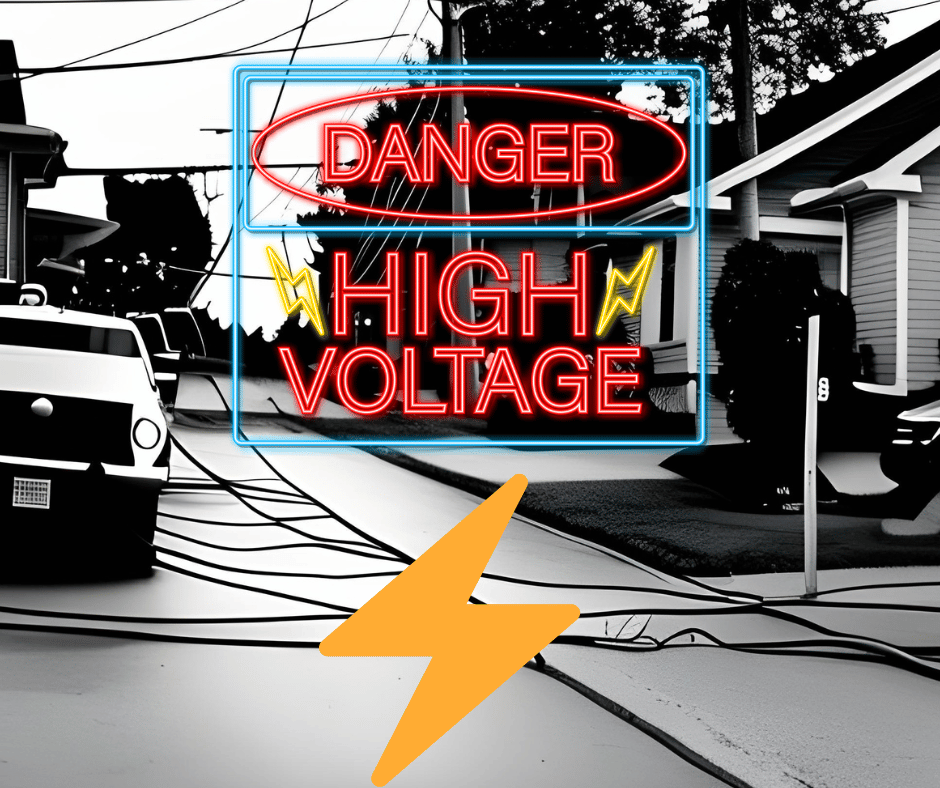
Winter weather, summer storms and even structural damage can cause a power line to fall. If you ever see one, knowing the right way to respond could save your life. Power lines often carry 345,000 volts of electricity.

Don’t Touch It

Some people think that power lines are safe to touch if they’ve fallen down because they’re insulated. Others reason that because birds often perch on them without injury, they’re safe for humans, too. Neither of these are the case.

Birds are not harmed because they do not touch the ground; humans are a source for electricity to “latch” onto because of their direct connection with the earth. Anything that provides an electrical current with a new downstream to the ground is at a risk of shock.

Keep Your Distance

Keep at least 35 feet between you and the power line at all times. This can be equivalent to three cars or a bus’s length. You should never attempt to move or investigate a downed power line on your own, and advise others to retreat to safety as well.

The best way to move from a power line is to shuffle. Use small steps to gradually back away from the line. Keep your feet close together and always on the ground to avoid attracting the electrical current.

Contact 911

When a power line goes down, it could still be live. Since most tend to fall in areas where they can easily come in contact with people and moving vehicles, you should call for help right away.

Contact GEN3 Electric & HVAC for any of your home’s electric needs. We service homes throughout Philadelphia, PA, and offer everything from circuit rewiring and maintenance to lighting installation and ceiling fan repair. Call us today at 215-544-2731.


Contact Peco
https://secure.peco.com/MyAccount/CustomerSupport/Pages/ContactUsForms.aspx?_ga=2.231154966.880602984.1692381430-1333992952.1692381429

Share:

Facebook
Twitter
LinkedIn
More Posts

Why Your Breakers Trip More in Winter 

Breaker tripping more often during the winter? You’re not alone. As temperatures drop, your home works harder than ever, and your electrical system feels the strain. Here’s why it happens, and what you can do about it.

New Baby or Elderly Parents at Home? Top Electrical & Heating Safety Tips

Maintaining safe electrical and heating systems becomes even more important when you’re caring for babies, seniors, or anyone with mobility challenges,” says a GEN3 Home Safety Specialist. “Simple upgrades like tamper-resistant outlets, smart thermostats, and improved lighting can dramatically reduce risks inside older Philadelphia homes. A professional inspection helps uncover hidden issues early and ensures your home is prepared to protect every member of your family.

Space Heaters: Safe or Scary? What Philly Homeowners Need to Know 

Space heaters can make Philly’s drafty rowhomes feel cozy, but they also send thousands of families into dangerous electrical and fire situations every year. In this guide to space heater safety for Philly homeowners, we break down how to use heaters the right way, no extension cords, no power strips, and no overloaded outlets, plus the safety equipment every home should have. Learn when a space heater is fine for short-term comfort, and when it’s a red flag that your electrical or HVAC system needs attention from GEN3 HVAC & Electrical.

Request Service Today!